




‘Baby Blues’ or Depression? How You Can Help
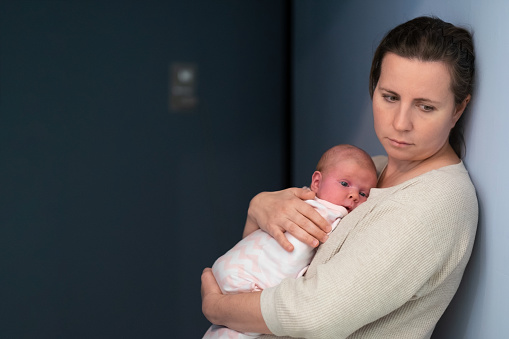
A study revealed a surprisingly high number of women suffer more serious depressive symptoms, not just ‘baby blues’, after giving birth.
The number of women age 45 and older having babies is the highest it has been in 80 years of records.
It is thought that about 1 out of every 8 women might experience depression after having a baby, and this typically happens within the 6 weeks following childbirth.
Symptoms can include constant sadness, lack of energy and difficulty bonding with the baby. While for most the symptoms are mild and short-lived, between 10 to 15% of women develop more significant symptoms of depression or anxiety.
The hormone connection
Progesterone is a natural mood enhancer and during pregnancy a woman produces huge amounts to support the baby.
However the levels plummet immediately after giving birth and this can lead to the ‘baby blues’ or in more serious case a deep depression.
It was thought that such sadness was uncommon, but in a large study it appears to be more frequent than was supposed.
The study was a huge effort that involved 10,000 women who had recently had babies at Northwestern Memorial hospital in the USA and who had repeated times of serious sadness or depression.
This is a major health issue for everyone because a mother’s mental state greatly impacts the baby’s growth in the womb and how the child grows physically and emotionally.
Suicide accounts for a staggering 20 percent of postpartum deaths and is the second most common cause of mortality in postpartum women.
Many women who screened positive for major depression postpartum had already experienced at least one episode of depression previously and, in addition, had an anxiety disorder.
What can be done?
A lot of women do not understand what is happening to them, and think they’re just stressed or they believe it is how having a baby is supposed to feel.
Women most at risk were those with some previous history of depression, but this was often not picked up in prenatal screening.
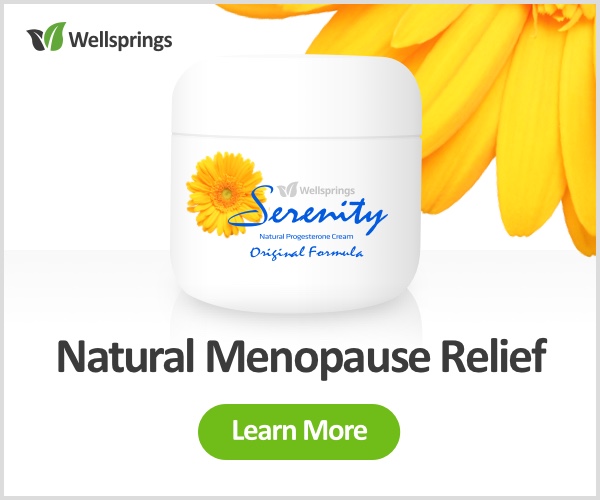
Serenity Natural Progesterone Cream
The natural alternative to HRT. Trusted by women and their doctors for over 25 years.
Learn MoreThere is a very simple step women can take to ensure they minimise their risk of depression or the baby blues and that is to restore their progesterone levels as soon after giving birth as possible.
One of the many beneficial effects of progesterone is in supporting and maintaining elevated mood, and the natural way to do this is by supplementing with Serenity, Wellsprings bioidentical progesterone cream.
This means they are supported as the hormone levels plunge after giving birth.
Using a quarter teaspoon twice daily after giving birth can help bring up the progesterone levels and cope with the mood swings or depression.
Many mothers assume this is just what happens – it isn’t and something can be done about it.
Helpful information
In many cultures around the world, there used to be a time for 40 days after a baby was born when the new mother was supposed to rest and have her friends and family help her.
Sadly, this is not always easy now, but it is important that a new mother gets all the help she needs from health professionals if needed. Just as important however is the support from friends and family.
Some ways to help can be very easy, like helping with household chores, offering to do some shopping or making casseroles or food that can be reheated easily later.
What is most important is making sure the new mother gets plenty of rest and relaxation. It is important to stay in contact in person if that’s appropriate and if she can’t cope with that then either by sending a card, a quick phone call or text to let her know you’re there if she needs anything.
Progesterone can be very helpful in raising low hormone levels and improving mood. However, it is important to talk to your doctor or a therapist if the situation becomes more serious.
It is also useful to ensure your diet supports your recovery. If you are unsure, the following article can provide tips on what to avoid.
https://anna.blog.wellsprings-health.com/foods-to-avoid-if-you-have-anxiety-or-depression/