




What You Need to Know About Heavy Period Bleeding
If this is affecting your daily life then this article can help.
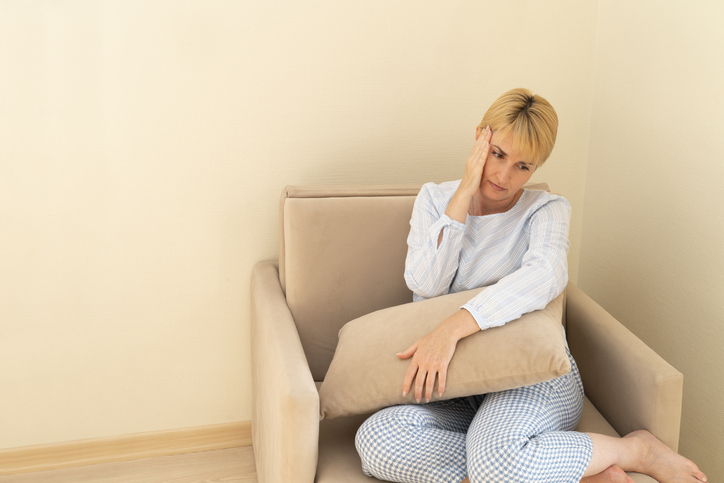
This may be a sign that your cycle is shifting, potentially suggesting that you are entering perimenopause
What is it?
Periods can and do vary in length or intensity but frequent very heavy bleeding, called menorrhagia, means excessive or long-lasting menstrual bleeding.
One in three say their period is heavy, and only one in twenty women talk to their doctor about this.
Heavy bleeding is blood loss during a period greater than 80 millilitres or periods lasting longer than a week.
You may be experiencing heavy bleeding if you:
- Need to change sanitary products more frequently than usual
- Require double protection, like with both tampons and pads
- Pass blood clots larger than 2.5 centimetres
- Have your sleep interrupted by your period or bleeding through clothes and bedding
So how can it impact your daily life? Heavy bleeding can make you feel tired and increase your chance of anaemia, which can cause dizziness, an irregular heartbeat, and shortness of breath.
It can also disrupt your daily life because of cramping, tiredness, and the need to change your tampons or pads more frequently
Is it normal?
One study found that over 90% of women aged 42 to 52 had periods lasting 10 days or more, and 78% of them said their bleeding was heavy.
So yes, it is common as women approach menopause as there are fewer eggs in the ovaries ready to mature. To maintain regular ovulation, the body produces more follicle-stimulating hormone (FSH), which raises oestrogen levels.
These higher oestrogen levels thicken the lining of the uterus, which can result in heavier and longer periods.
Excess oestrogen, known as oestrogen dominance, can also have other effects too. If oestrogen is not balanced by progesterone you may also see signs of weight gain, poor sleep and brain fog.
The time between your cycles may also increase, leading to longer gaps between periods and more blood flow.
Perimenopause generally begins about four years before you have your last period. But the transition can start as early as 10 years before menopause.
Plus, do not forget that one other possible reason for heavy bleeding can be related to fibroids so please do check any extended or unusual bleeding with your Doctor.
Changes to expect
Over time oestrogen levels decrease, thinning the lining of the uterus. This means your periods happen less often until they stop altogether.
But when hormones are still in flux during perimenopause, it’s common for women to experience significant changes to their menstrual cycle.
All of these can occur so you need to be aware of them.
Shorter, longer, or missed cycles
During perimenopause, hormone changes happen because there are fewer eggs in the ovaries. This can lead to longer gaps between periods, with cycles being at least 38 days apart, or even missing periods completely.
Women with lower oestrogen levels may have shorter cycles than usual.
Spotting between periods
Changes in the time between periods can also cause spotting between periods. It’s common for thicker walls of the uterus to cause spotting that’s red, brown, or dark-coloured.
Abnormally heavy flow
As oestrogen levels rise, the lining of the uterus gets thicker, which can lead to more bleeding when it breaks down.
Uncommon changes in your period, such as missed or infrequent times, can also cause heavier bleeding.
Serenity Natural Progesterone Cream
The natural alternative to HRT. Trusted by women and their doctors for over 25 years.
Learn MoreYou may also experience other physical and mental symptoms during perimenopause, including:
- Hot flushes and sleep problems
- Mood changes and irritability
- Changes to sexual activity
- Increased risk for vaginal infections, bladder problems, osteoporosis, and heart disease
What can you do?
Heavy bleeding can disrupt everyday life but there are some simple measures that can help.
Bioidentical progesterone is an anti-inflammatory and can help make periods lighter and reduce heavy bleeding.
Lara Briden is an experienced naturopathic doctor, author and authority on bioidentical hormones and she suggests progesterone can be used together with turmeric to relieve the heavy periods of perimenopause.
NSAID’s such as ibuprofen can help decrease bleeding during periods by 20-40%, and, according to some research, can alleviate symptoms like cramps. Always check with your pharmacist if you are on certain medications as they are contraindicated for asthma and high blood pressure.
However, NSAIDs are intended for short term use only and side effects include headache, dizziness, drowsiness, fatigue and restless sleep, thirst and sweating, tingling or numbness in hands and feet.
Overuse or overdosing may cause ulcers, bleeding, or holes in the oesophagus, stomach, or intestine so use with caution.
Diet is important as it can help manage perimenopausal symptoms, including maintaining healthy iron levels to prevent anaemia.
That can cause tiredness and may lead to heavier bleeding too.
Lifestyle help includes managing stress and sleep levels to avoid greater hormone imbalance.
Keeping track of your period cycles can also help you manage heavy bleeding better.
When to get help
Heavy bleeding and unusual periods are common in women over 50. However, if these symptoms affect your daily life and well-being, you should see your doctor.
Throughout life, from puberty to post menopause, women always need to have the primary hormones of progesterone and oestrogen to be in balance.
Perimenopause is a time when hormone levels can change significantly, and these changes can affect you. You might need progesterone, oestrogen, or both, depending on your symptoms and how severe they are.
Women over 50 can also experience bleeding after menopause. Research shows that this bleeding often results from conditions like uterine fibroids or polyps. It can also be a sign of endometrial cancer, which affects 2 to 3% of women and is most common in those who are postmenopausal.
Heavy bleeding might also be a sign of another health problem. Keep an eye on your bleeding and see your doctor if you notice any of these:
- Extremely heavy bleeding — like soaking through a sanitary product hourly
- Consistent spotting between cycles
- Several cycles in a row that are shorter than 21 days or several days longer than usual
- More than three months between periods
- Bleeding after sexual intercourse
Helpful information
Heavy bleeding can be distressing and upset your daily life, so finding ways to lessen its impact is an important priority.
Bioidentical progesterone in Wellsprings Serenity cream can help reduce heavy bleeding, and lifestyle changes can also help too.
This article was written to assist with endometriosis, but it also has helpful tips for managing heavy bleeding.
https://anna.blog.wellsprings-health.com/9-lifestyle-changes-that-may-help-with-endometriosis/