





Ways to Fight Pain & Inflammation
Progesterone is a natural anti inflammatory, but these simple changes can also help you deal with the condition.
What is inflammation?
When you have an injury or an infection, your immune system immediately responds by triggering inflammation. Although this causes pain and discomfort, it’s an important part of the healing process because it allows more blood and immune cells to reach the injured or infected site.
But when this natural immune response lasts too long or happens when there is no threat, it becomes a problem because it can damage your body. If you have an inflammatory condition, then progesterone helps as it suppresses the production of pro-inflammatory cytokines, inhibits inflammatory signalling pathways and promotes anti-inflammatory responses.
It has both nonspecific anti-inflammatory effects, such as inhibiting prostaglandin synthesis, and specific effects, including regulating T-cell activation and cytokine production to maintain immune tolerance.
Sometimes a small amount of oestrogen as well can be helpful if you are dealing specifically with joint pain, but you can help get inflammation under control through your diet as well.
There is a specific anti-inflammatory diet by Dr Andrew Weil of the United States, but what you drink can make a substantial difference so here are some helpful tips.
Turmeric tea
Turmeric has many health benefits and as a tea it contains curcumin, a natural compound that helps fight inflammation.
Studies show that curcumin blocks certain proteins called cytokines and enzymes that cause inflammation. It also neutralises free radicals, molecules that can spark more inflammation and research suggests that curcumin works just as well as common painkillers like paracetamol for easing pain and improving movement in people with knee osteoarthritis.
Ginger tea
Again this is something that has many, many health benefits and I personally always find it invaluable when travelling as it helps with nausea and motion sickness. Ginger has powerful compounds called gingerol and shogaol that help stop the body from making proteins that cause inflammation.
Studies show that ginger helps ease pain and reduce disability in people with osteoarthritis and that ginger supplements reduced muscle soreness after exercise.
If you are a suffer from PMS and menstrual cramps, then research shows ginger works as effectively as common pain medicines such as nonsteroidal anti-inflammatory drugs (NSAIDs).
Tart/Sour cherry juice
This is an item that is always in my fridge because it is packed with anthocyanins, powerful antioxidants that help protect your cells by neutralising free radicals, molecules that can damage your cells and cause inflammation.
Drinking tart cherry juice regularly can cut down how often gout attacks happen and that is a type of arthritis caused by too much uric acid building up in the body. As someone prone to arthritis it is a daily staple for me for me.
I take it at night in some water as there is also some suggestion that it can help with sleep.
Green tea
Green tea contains the anti-inflammatory compound epigallocatechin gallate, or EGCG, which helps block proteins responsible for inflammation. A study in rats found that EGCG may reduce the symptoms of arthritis.
Studies suggest that EGCG may reduce inflammation in the gut in conditions like Crohn’s disease and ulcerative colitis. EGCG’s anti-inflammatory effects may help protect against inflammation-related damage in the brain.
It has become a popular drink because it also has an amino acid called theanine (specifically L-theanine), a unique amino acid found mainly in tea leaves and known for promoting relaxation and focus.
It does this by increasing alpha brain waves, boosting calming neurotransmitters like GABA, serotonin and dopamine which support your stress response.
It’s a popular supplement for calmness, sleep and cognitive function all of which helps you stay calm and focused and may reduce inflammation.
Matcha latte
Matcha is a finely ground powder made from specially grown green tea leaves. Like regular green tea, it’s rich in catechins such as epigallocatechin gallate (EGCG) and the amino acid L-theanine, both of which help fight inflammation.
It improves focus and alertness as the whole leaf is rich in vitamins, minerals, fibre, and chlorophyll, potentially aiding brain function, stress relief, and there are also claims for it helping with weight control.
If you don’t eat dairy, you can still enjoy a matcha latte by using plant-based milks like oat, almond, or soy instead.
Pineapple juice
Pineapple is packed with bromelain, an enzyme that helps break down proteins and has strong anti-inflammatory effects. It breaks down bradykinin, a protein that triggers pain and swelling, and can also block other proteins that cause inflammation.
Serenity Natural Progesterone Cream
The natural alternative to HRT. Trusted by women and their doctors for over 25 years.
Learn MoreOne study found that pineapple juice significantly eased menstrual pain in teenage girls and other research shows that bromelain can reduce pain after dental procedures like root canals and gum surgery.
It may also help relieve pain in chronic inflammatory conditions such as osteoarthritis, but I always dilute any fruit juice 50% with plain water in order to cut the sugar content..
Beetroot juice
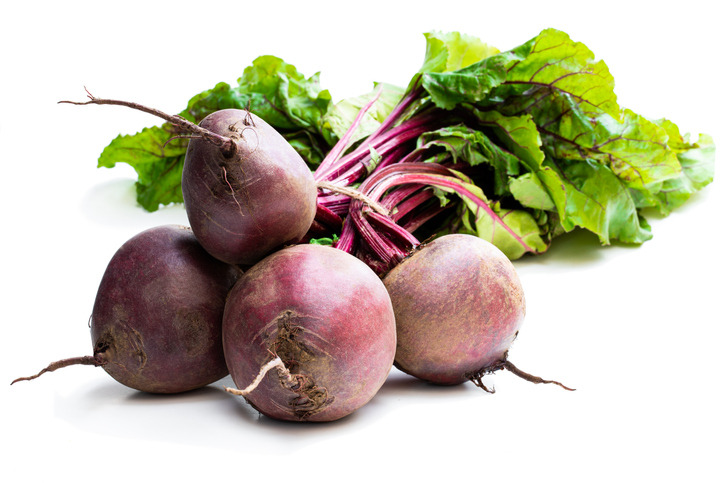
Beetroots are rich in nitrates, which improve heart health by lowering blood pressure and increasing blood flow. They also contain antioxidants, which help to calm inflammation. Betalains, the pigments that give them their deep red colour, also fight inflammation.
Several studies found that beetroot juice lowered inflammation markers – substances in the blood that show when inflammation is present – in adults with high blood pressure and those with type 2 diabetes.
Just a word of caution, be careful if you are using beetroots and juicing them or just having the juice from a carton, it is incredibly staining!
Blueberry smoothies
Blueberries in any form are packed with anthocyanins, the natural pigments that give them their deep blue colour and powerful health benefits and these compounds help prevent inflammation by neutralising harmful free radicals that can damage your cells.
In one study, people with knee osteoarthritis who consumed freeze-dried blueberry powder had less pain, stiffness, and trouble with daily activities.
Animal studies also suggest that blueberries or blueberry extract may reduce inflammation in conditions like acute kidney injury and post traumatic stress disorder.
Warm lemon water
Lemons are full of natural compounds that help your body fight pain and inflammation and certainly as a child, the juice of a lemon in hot water was a standard thing to start the day for me.
The combination of warm water and the juice of a lemon improves hydration after your sleep, improves digestion as it stimulates stomach acid, and gives you a boost of vitamin C.
It also provides antioxidants, and supports natural detoxification and as it is rich in vitamin C, an important nutrient your body needs to make collagen, which is the main building block of connective tissue like cartilage.
Studies show that collagen supports cartilage repair and can help to manage the symptoms of osteoarthritis.
Lemons also contain other helpful compounds too, such as limonene which studies in rats suggest has strong anti-inflammatory effects.
Herbal infusions
Herbal infusions like chamomile and rooibos contain various compounds, including flavonoids, that help fight inflammation.
Chamomile has been used for hundreds of years to treat joint pain, nerve pain, and stomach cramps. It is also used to treat inflammation in different parts of the body, including the skin and the colon. Several studies show that chamomile reduces gum pain and inflammation.
Rooibos tea also contains the antioxidants aspalathin and nothofagin, which neutralise free radicals, reduce oxidative stress, and prevent or reduce inflammation.
It is rich in antioxidants and anti-inflammatory compounds which also support heart health and blood sugar control. As a side benefit, it’s also noted for boosting bone health and skin health due to mineral and flavonoids content.
Helpful information
All of these simple switches could make a difference to how you experience inflammation and joint pain.
It may be helpful to have progesterone alone or progesterone and some oestrogen if the inflammation is related more to joint pain itself.
If you’re looking for some other ways to help with joint pain then this article by leading Nutritionist Patrick Holford can give you some more tips.
https://anna.blog.wellsprings-health.com/how-to-reduce-menopausal-joint-pains/