






How the Pill and Coil Can Affect You at Menopause
Is it the Pill or Menopause behind your symptoms?
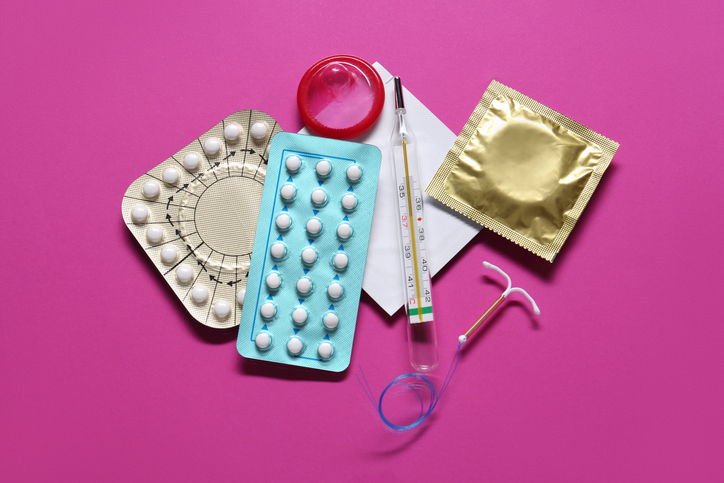
Many women at peri/Menopause are on the Pill or Coil for a variety of reasons, not just contraception.
Menopause officially is over once you have had no periods for a full year. But from the age of 52 onwards you start to get the typical symptoms including hot flushes, irregular periods, and sleep problems.
Why the Pill?
If you are not using the Pill or Coil for contraception, then it is most likely that you have been given it to help with the heavy bleeding that can occur with the hormonal fluctuations at this time of life.
If you are on the Pill, Coil or Implant – for whatever reason – then the synthetic progestins (not progesterone) they contain can mask these symptoms of menopause.
They can also have a number of side-effects and these are often put down to just ‘normal’ hormone fluctuations.
These synthetic substitutes for the real hormone can prevent the body from recognising the natural decline in oestrogen and progesterone that occurs during menopause.
What happens then?
It means that the symptoms you typically experience during perimenopause may not be as apparent or noticeable if you are taking birth control pills or other synthetic forms like the Coil.
One such symptom of combination pills is an irregular period, which is extremely common during the peri/menopause stage.
The minipill, which contains a synthetic progestin may be more likely to lead to irregular bleeding and hot flushes during early menopause.
The Pill can help to regulate the menstrual cycle and hormone levels but there are definite drawbacks
It is possible that the Pill will cause side effects that are very similar to the symptoms of hormone fluctuation.
These can include:
*mood swings
*decreased libido
*changes in appetite
You may also experience irregular periods or spotting between cycles, especially if taking the minipill.
What’s causing the symptoms?
After stopping the Pill, or having the Coil removed, it may take a few months for hormones to readjust.
That means it can be hard to tell if some symptoms are side effects of the synthetic hormones, or are due to natural hormone fluctuations in the body.
Serenity Natural Progesterone Cream
The natural alternative to HRT. Trusted by women and their doctors for over 25 years.
Learn MoreIt can take some time for the natural hormones to kick back in and for regular menstrual cycles to begin again.
If symptoms continue when you have stopped, then this is likely to be perimenopause, but if they go away, these were probably side effects of the Coil or Pill.
Why these contraceptive may not be for you
Women for whom synthetic hormones are not recommended include women with:
* oestrogen-dependent cancer
* high blood pressure
* heart disease
* blood clots
* diabetes
Always check with your doctor for your individual or family related risk factors.
Non-hormonal contraception is available, and that would be the copper coil rather than the ones containing progestins.
Using bioidentical progesterone with hormonal contraception
Because these products contain hormones, you need to consider what your symptoms and their severity are as to what hormone would be most helpful to supplement.
Many women do prefer to use natural hormones rather than synthetic and either Serenity or Wellsprings combination cream Twenty to One can be used if they are for help with heavy bleeding for example.
However, they are not recommended if still being used for contraception as the synthetic progestins compete in the body for the same receptor sites as the bioidentical progesterone and this makes both of them less effective.
Helpful information
It can be difficult to separate what might be causing your symptoms from the side effects from your contraception or just a normal transition at Menopause.
If you are not sure then this article can help you with that.