






Does Poor Sleep Make You Eat More?
Tiredness can wreck your diet and healthy eating habits.
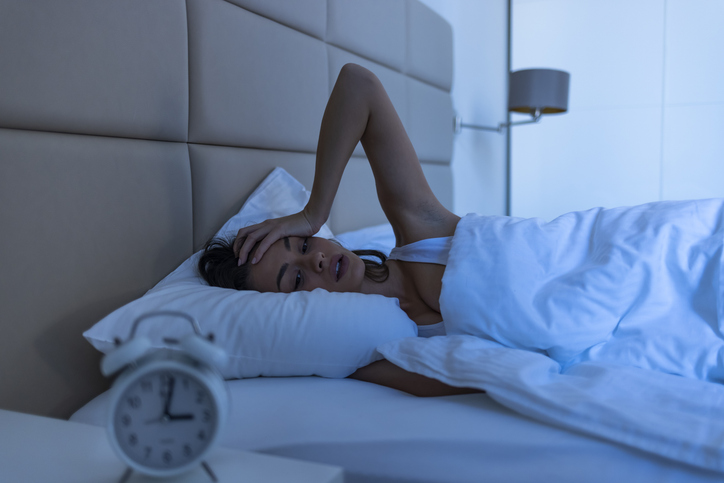
What do you think is the worst possible combination for putting on weight?
Obviously eating too much and all the wrong foods, but at Menopause the symptoms that most affect weight gain are stress and poor sleep.
So what can you do about it?
Tackling the ‘big two’ is essential and you start with stress, which makes all hormonal symptoms worse. That includes the weight gain which makes you feel miserable, but the other thing that needs to be helped is poor sleep.
So what is it that is piling on the pounds? It seems that it is the poor sleep that could make you eat more and affect your weight.
Unfortunately eating more is very rarely healthy salads or green vegetables, but comfort food and unhealthy snacks.
Sleep and food study results
Studies have shown that total sleep deprivation can trigger a reward system in the brain in response to food stimuli.
You may know it as comfort eating and researchers have looked at everyday sleep loss and the brain’s reaction to food to see what was happening.
They looked at volunteers who entered a nine-day study period with a built-up sleep debt. It was published in the Journal of Sleep Research.
Under ideal sleep conditions, they were able to show two things: that even small amounts of sleep loss can put the brain at risk for greater response to food triggers in everyday life.
That can be a risk factor for obesity and lifestyle diseases such as metabolic disorder, the first step toward diabetes.
BUT they also found that getting the right amount of sleep can reduce this response to food triggers.
Another study, published in the Journal of Applied Psychology, added stress to the mix.
Wellsprings Sleep Capsules
A natural, non-habit forming sleep aid with L-Tryptophan, L-Theanine, Lemon Balm & Magnesium Glycinate.
Learn MoreResearchers found that when people were anxious and stressed, whether at work or home, they were more likely to ‘eat their feelings’ if they were also sleep-deprived.
Sadly, again that is likely to be unhealthy choices like sweets, processed foods and alcohol.
Simply put, if you don’t get enough sleep, unhealthy food choices may look pretty good to your brain.
So getting enough sleep is not only better for focus, but for your waistline, too.
What’s considered enough sleep? It really does very much depend on the individual as we are all different, but on average that’s between seven and eight hours every night.
Helpful information
We know there is a definite link between lack of sleep and increased weight, and unfortunately at Menopause both weight gain and poor sleep patterns are common.
Definitely getting your menopausal symptoms under control will be a great first step to tackling the hot flushes and sweats and more frequent bathroom visits that can disturb even the best nights sleep.
You may need help from Wellsprings progesterone only cream Serenity as it is the hormone that is a natural relaxant to help you sleep.
If it is night sweats or severe flushes keeping you awake you may find it more effective to use Wellsprings Twenty to One cream which is a combination of both progesterone and oestrogen.
Wellsprings Sleep capsules can promote a more relaxed state for sleep and can be used alongside either cream.
This article can also offer some helpful tips.
https://anna.blog.wellsprings-health.com/the-complete-guide-to-a-good-nights-sleep/