




Every Year Strokes Kill Twice as Many Women as Breast Cancer
Around 1 in 5 women will have a stroke in their life and there are more than 100,000 strokes in the UK each year. That is around one stroke every five minutes. Are you at risk?
Statistics you need to know
Around 1 in 5 women will have a stroke in their life and there are more than 100,000 strokes in the UK each year.
That is around one stroke every five minutes.
Are you at risk?
Hormones definitely play a part here in women and if you take birth control pills, you are twice as likely to have a stroke.
As both the pill and coil are used by many women in Menopause for help with heavy bleeding please don’t think it is only something that applies to younger women.
If you are using these then you should be checked for high blood pressure before going on low oestrogen pills.
Hormonal contraception with oestrogen can increase the chance of blood clots and studies have reported that taking the pill can increase your risk of heart attack and stroke by 1.6 times.
Hormone replacement therapy (HRT) can slightly increase your risk of stroke. For every 1,000 women taking HRT, an extra six will have a stroke and an extra eight will develop a blood clot.
Other risks are having diabetes and existing heart disease, as are high alcohol consumption and smoking, but these are usually more common in men than women.
Not surprisingly, if you’re depressed or under a lot of stress, that also raises your risk.
Recognising the symptoms
The good news is that around 80% of strokes are preventable, so knowing what to look out for can reduce your risk.f
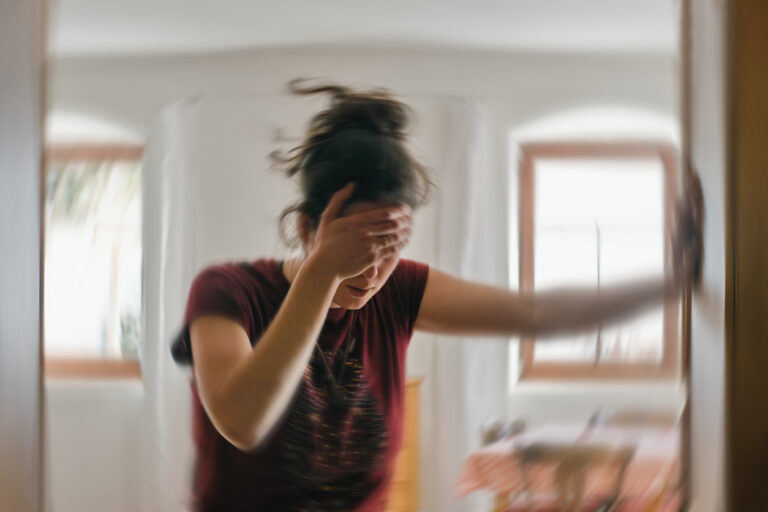
Although signs can be different in men and women, those we have in common are dizziness, headaches, confusion, and numbness or weakness in the face, arm, or leg.
What can be different is that some women get hiccups, hallucinations, and maybe sick to their stomachs.
If you suspect a stroke or TIA (mini stroke) call for immediate medical assistance if you experience any of these 5 key warning signs:
Serenity Natural Progesterone Cream
The natural alternative to HRT. Trusted by women and their doctors for over 25 years.
Learn More1 – Sudden weakness or numbness on one side of the body, including legs, hands or feet.
2 – Difficulty finding words or speaking in clear sentences
3 – Sudden blurred vision or loss of sight in one or both eyes
4 – Sudden memory loss or confusion, and dizziness; or a sudden fall
5 – A sudden, severe headache
7 ways to help reduce your risk
Prevention is always the best strategy where possible.
Getting ahead of your risk factors can help avoid a stroke, before it has a chance to strike.
1. Lower blood pressure and know your numbers so you stay on the right side for your age, height and weight.
2. Lose weight and try the Mediterranean diet as it most helpful in reducing stroke risk in women.
3. Exercise regularly as part of your daily routine, whether that’s walking, gardening or anything you will maintain.
4. Alcohol increases risk so if you do drink then keep it in moderation.
5. Always report any irregular heart problems to your doctor.
6. Keep an eye on your blood sugar levels and treat diabetes early when it can be more easily managed with diet and weight loss.
7. Still smoking? Quit if you can, get some support from your doctor as that will reduce risk too.
Helpful information:
Menopause is unfortunately a time when weight gain seems inevitable but by following some simple changes to your everyday diet and exercise routine, you can substantially help to reduce your stroke risk.
One of the key elements for reducing your stroke risk is to tackle first of all any hormone imbalance and generally it is progesterone that is needed. If you are not sure whether you’d need progesterone, oestrogen or both then the following article can be helpful in deciding.