




12 Reasons to Lose Weight on the Mediterranean Diet
The term Mediterranean diet was coined in 1960 but how helpful could it be for your weight loss today?
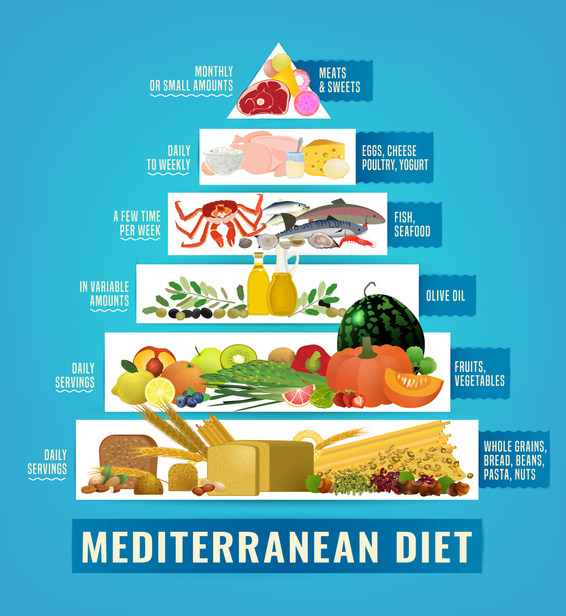
There are many benefits of the Mediterranean diet, for example it can lower your risk of heart disease and stroke by lowering blood pressure, reducing inflammation, and raising HDL cholesterol levels.
Although it has been around for over fifty years it is still consistently praised for promoting significant fat loss, reduced weight gain, and better weight maintenance.
It’s considered a sustainable, heart-healthy approach, often outperforming low-fat diets and aiding in reducing harmful belly fat when combined with exercise.
So how exactly could it help you?
1. No calorie counting
You won’t need a calculator for this meal plan. Instead of adding up numbers, you swap out bad fats for heart-healthy ones.
That means using olive oil and small amounts of butter rather than more highly refined seed oils such as soybean, corn, sunflower and grapeseed oils. Also try to avoid trans fats found in processed foods like fried items, baked goods, and margarines, as these are strongly linked to heart disease by raising bad cholesterol (LDL) and lowering good (HDL) cholesterol.
Aim to vary your protein source and have fish or poultry rather than red meat, and include a vegetarian option too.
Eat your fill of vegetables and beans. Nuts are good, but stick to a handful a day as too many won’t help you lose weight.
The Mediterranean diet also allows wine, but in moderate amounts only.
Desserts are a tricky area, as they are such a treat but opt for fresh fruit and natural yoghurt as a topping if you can.
2. The food is really fresh
The focus is on seasonal food that’s made in simple ways so make a salad from spinach, cucumbers, and tomatoes. Add in classic Greek ingredients like black olives and feta cheese.
Gazpacho soup is very healthy and simple to make requiring no cooking, and gives you an easy way to add more vegetables to your diet.
3. You can have bread
If bread is your weakness then the healthiest breads are sprouted grains, whole wheat and rye or sourdough as these are chosen for their high fibre, protein, and nutrients, which boost fullness and control blood sugar.
A healthy snack would be whole-grain pitta bread dipped in olive oil, hummus, or tahini (a protein-rich paste made from ground sesame seeds).
For a change try pumpernickel which is a dense bread traditionally made with sourdough starter and coarsely ground rye. It is sometimes made with a combination of rye flour and whole rye grains and you can usually find it in your local health store.
4. Fat isn’t forbidden
You just need to look for the good kind from nuts, olives, and olive oil. These fats (not the saturated and transfats in processed foods) add flavour and help fight diseases from diabetes to cancer.
A simple home made pesto is a tasty way to get some into your diet. It’s a blend of fresh basil, garlic, pine nuts, extra-virgin olive oil, and Parmesan cheese.
5. Plenty of variety
It’s more than just Greek and Italian cuisine. Look for recipes from Spain, Turkey, Morocco, and other Mediterranean countries.
Choose foods that stick to the basics which means being light on red meat and whole-fat dairy, with more fish and white meat plus fresh fruit and vegetables, olive oil, and whole grains.
6. Delicious spices
Bay leaves, coriander, rosemary, garlic, pepper, and cinnamon add so much flavour you won’t need to add salt.
Some have health benefits, too as both coriander and rosemary have disease-fighting antioxidants and nutrients.
Wellsprings Weight Control Capsules
Natural support for metabolism and weight management during menopause.
Learn More7. Easy to make
Greek meals are often small, easy to assemble plates called mezzes. For a casual meal, you could put out plates of cheese, olives, and nuts.
Try making your own dips using heart-friendly ingredients including olive oil, beans, whole grains, and spices.
8. You can have wine
A glass with meals is common in many Mediterranean countries and some studies suggest that one or two glasses a day may be good for your heart.
Red wine may be healthier than white, but check with your doctor or pharmacist first if on medication to see if it’s a good idea for you.
9. You won’t be hungry
Rich-tasting foods like roasted sweet potatoes and hummus are digested slowly so that you feel full longer.
Hunger’s not a problem when you can eat nuts, olives, or bites of low-fat cheese when a craving strikes. Feta and halloumi are lower in fat than cheddar but still rich and tasty.
10. You can lose weight
You’d think it would take a miracle to drop some pounds if you eat nuts, cheese, and oils. But those Mediterranean basics (and the slower eating style) let you feel full and satisfied.
That helps you stick to a diet, plus add in the regular exercise that is also an important part of a healthy lifestyle to maximise weight loss.
11. Heart healthy
At Menopause heart disease is a bigger risk to women than breast cancer, and almost everything in this diet is good for your heart.
Olive oil and nuts help lower “bad” cholesterol. Fruit, vegetables, and beans help keep arteries clear.
Fish helps lower triglycerides and blood pressure and even a daily glass of wine may be good for your heart too.
12. Helps with brain fog
The same goodness that protects your heart is also good for your brain. You’re not eating bad fats and ultra processed foods, which can cause inflammation.
Instead, antioxidant-rich foods make this eating style a brain-friendly choice too.
Helpful information:
Weight gain at menopause is usually hormone related and often to the excess oestrogen that is deposited around the belly.
Your body thinks it’s helping by producing oestrogen there when the ovaries cease production, but if not balanced by progesterone you may not see that as useful at all.
Hormone balance is also essential for maintaining a healthy weight and progesterone is the hormone that helps with weight gain and bloating.
Not sure if you are oestrogen dominant? This article can help.
https://anna.blog.wellsprings-health.com/what-signs-of-oestrogen-dominance-do-you-have-3/