






Do You Know The 4 Key Differences Between Progesterone and Progestins?
You might think it does not matter, but it can affect your health.
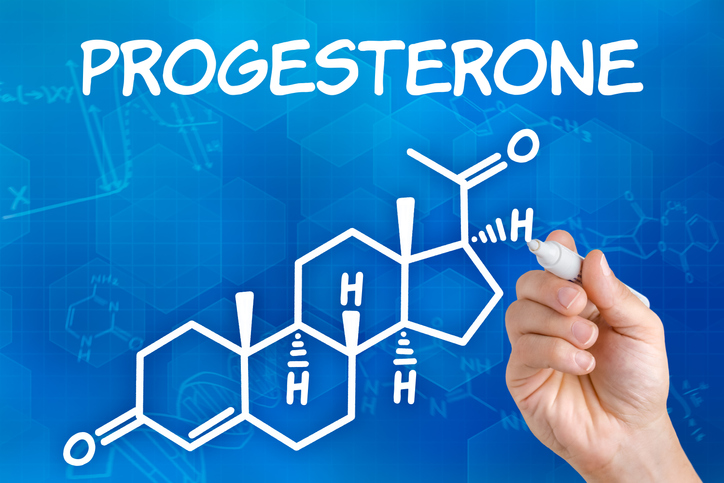
What’s in a name? Well quite a lot really if you are confusing the synthetic progestins/progestogens with the actual hormone progesterone.
I recently saw this very well explained in a post by Doctor Sara Gottfried an American gynaecologist, author and broadcaster on women’s health.
This is certainly one of the major confusions I come across as not all “progesterone” is created equal. Dr Gottfried noted:
European observational data shows that oestrogen plus micronised (body-identical) PROGESTERONE does not show the same breast cancer risk signal that shows up with oestrogen plus synthetic PROGESTINS. Meta-analyses and gene-expression studies line up with that same theme.
Even levonorgestrel, the synthetic progestin in the intrauterine device (LNG-IUD) is linked to a modest increased risk of breast cancer of 1.21 (95% CI, 1.11–1.33) compared to never-users.
She referenced these sources:
PMIDs: 35675607, 27456847, 24485796, 31474332, 36835533
ACOG Hormonal Contraception and Risk of Breast Cancer Published October 2024
Why the confusion?
Unfortunately the Media have used the word progesterone when they’re not referring to progesterone but to the synthetic substitutes but also often because the terms progesterone and progestins are used interchangeably as if they mean exactly the same thing – but they are not.
Women are often told that their coil or pill contains progesterone when it contains the synthetic progestins/progestogens instead. These two terms mean exactly the same thing. It just depends on which country you are in as one is more common in the UK and Europe and the other in the USA.
Progesterone the actual hormone is produced in the ovaries and the late Dr John Lee referred to progestins as being like a faulty key. When you put it in the ‘hormone lock’ it may turn part way but it cannot give the benefits of the actual hormone and does carry risks that the natural hormone does not.
Increased risk
The risk is from the synthetic hormones, particularly if used alone as in the Coil or contraceptive Pill or in a combined form like HRT.
A major study by the University of Oxford found that all forms of hormonal contraceptives increase a woman’s risk by up to a third.
Researchers analysed data from more than 27,000 women: a third of whom developed breast cancer between ages of 20 and 49, and two-thirds who didn’t but they did not look at the synthetic progestins/progestogens in HRT.
The consensus from Cancer experts is this increases the risk only slightly, but if you have a family history of breast cancer it is worth considering other forms of contraception such as the non hormonal copper coil.
Why does it matter?
There is an assumption in the media – and often by doctors themselves – that they are interchangeable and mean the same thing – and seem to believe that it does not matter which one you use.
Dame Dr Shirley Bond recommended and used bioidentical hormones herself for many years and has commented:
“I find it worrying that doctors and scientists who claim to be experts in HRT do not seem to be aware that progesterone and progestins are not the same thing and do not have the same effects.
Their ignorance is worrying because it is leading to incorrect and even dangerous information being given to women. It is also necessary for the media to learn the difference although one cannot blame them for reporting the incorrect information given to them by the so called experts. It is interesting that many women are more informed than the experts.”
Serenity Natural Progesterone Cream
The natural alternative to HRT. Trusted by women and their doctors for over 25 years.
Learn MoreIf you want to know more then read on:
Difference No 1
This is the easiest, most obvious and the simplest. One is natural to the body the other is a chemical synthetic. The natural hormone is progesterone and the manufactured progestins or progestogens that appear in the Pill/Coil/HRT are chemicals.
Difference No 2
Progesterone is the hormone naturally produced by women in the ovaries.
Progestins/progestogens mimic the effect of the natural hormone, but they are not identical to that produced in the body and so not recognised by it as such.
Progesterone is immediately identified by the body as natural to it, but the synthetics are not.
Difference No 3
This is a crucially important one. Bioidentical progesterone has not been identified with side effects, but the synthetics have a whole host that are associated with them.
They are known to increase risks in hormonally related cancer such as in the breast, uterus and ovary and disorders of blood clotting.
They have been linked to strokes, heart problems and deep vein thrombosis, and can worsen mood, PMS and depression in vulnerable women.
Difference No 4
Progestins/progestogens cannot reproduce exactly the effect of progesterone in the body, but Wellsprings bioidentical micronised progesterone creams can.
Although not manufactured in the body it is recognised by it as being absolutely bioidentical to the real hormone – it is responded to as progesterone, unlike the synthetic alternative progestins or progestogens.
Helpful information:
Bioidentical hormones are safe and effective but without the side effects or health risks associated with their synthetic equivalents.
Whether you need to supplement or not or very much depends upon your symptoms and their severity or whether you have any linked health concerns such as risks for breast cancer, heart disease or osteoporosis.
It helps to know just what your options are and exactly what is in the Pill/Coil/HRT you are using and if not sure which hormone you may be lacking then this article gives you more information.
https://anna.blog.wellsprings-health.com/which-hormone-or-hormones-might-you-need/